Choosing in between steel and lumber fencing normally starts with a basic question from a homeowner: "Which one lasts longer?" The straightforward solution is that both can last a long period of time, however they get there in different means, and they fail in different methods. Steel has a tendency to trade maintenance for in advance cost and deterioration management. Wood often tends to trade lower ahead of time costs for even more constant maintenance, much faster weathering, and susceptability at the ground line.
After years of working together with fencing installers and fence contractors, I have actually discovered that "longevity" isn't one number. It depends upon exposure, installation quality, hardwood types and therapy, steel quality and coating, fastener kind, post spacing, and also just how the fencing is detailed at gateways and ground clearance. Allow's break it down properly so you can make a decision that still really feels right in 5, 10, and fifteen years.
What "long-term durability" actually indicates for fences
A fence is exposed to cycles: damp and completely dry, heat and cold, wind loading, dirt and salt spray near coastlines, and mechanical hits from lawn tools, bikes, and pet dogs. Durability is the capacity to maintain the fence both structurally sound and visually intact.
For steel, long-term longevity often comes down to whether the safety finish makes it through and whether the steel is detailed so moisture can't sit and concentrate rust. For hardwood, durability typically rests on whether the wood stays shielded against rot, insect task, and breaking or buckling that loosens up repairings over time.
It's likewise worth saying plainly: inadequate setup can reduce the life of either material. A fence contractor can set up a "premium" item badly and end up with premature failure. Alternatively, an experienced fencing company can make a conventional item do exceptionally well by doing the boring, appropriate things.
How hardwood fencings age (and why the ground line matters)
Timber fences do not simply "discolor." They go through physical modifications. Also dealt with wood will move as it takes in and releases wetness. Gradually, that movement can open up tiny gaps, loosen screws, and develop paths for water to rest near fasteners.
The most typical wood failing mode I see is rot beginning at the bottom. Not due to the fact that the timber "expands a rot trouble" overnight, however due to the fact that the lower area experiences the most wetting. Turf expands back, watering overshoots, leaves gather, and in wet periods the fencing line stays damp longer than people expect.

Warps and shrinkage matter too. Lumber boards can cup a little, which alters just how water drains. If water can't shed, it clings to the surface and maintains wood wetter than it must be. When fasteners start wearing away or the board flexes more than the fixings permit, the fence feels "loosened" long prior to it looks catastrophic.
Then there's the visual side. Wood typically looks warmer and more natural, however it goes through a stage where the colour looks great early, after that it dulls, after that it damages down on the surface. That surface malfunction becomes part of why painting and re-staining end up being a normal task if you want the fence to maintain looking sharp.
The hidden sturdiness influencer: touchpoints and hardware
Timber fencings stop working much faster when hardware is mismatched. As an example, if someone utilizes general-purpose bolts as opposed to the ideal corrosion-resistant screws, rust discoloration and board splitting can start around correctings. A fence installer can prevent a lot of future pain by utilizing the proper bolt system, driving screws to the appropriate deepness, and not over-tightening up until the lumber presses around the head.
Gates are another problem. Gates concentrate lots at the hinge side, and hardwood can compress and loosen if the link information isn't robust. An excellent fencing contractor will reinforce where loads occur instead of counting on hardwood alone.
How steel fences age (and why finishing survival is everything)
Steel has a lengthy lifespan potential because it does not rot. That's the heading benefit. But steel does not last "permanently" even if it's steel. It depends upon whether corrosion is controlled and whether the finishing system stands up under real weather conditions.
Most long-life steel secure fencing relies on galvanising and/or a used finish. These systems safeguard steel by creating a barrier and by using sacrificial defense in some styles. The trouble areas are where the obstacle gets compromised: cut sides, pierced openings, scrapes during setup, and areas where water rests against the steel surface.
In coastal or salty air locations, deterioration can advance quicker. In inland locations, the timeline still relies on how typically the fencing gets wet and how long it stays wet. If you've ever before seen "tea discoloration" or corrosion blossom near welded joints, pierced holes, or blog post caps, you've seen the onset of coating failure.
The essential detail: drain and dampness retention
Steel loves to last when it can shed water and dry. If a post base catches dampness, or if a straight member collects leaves and particles, the coating can fail earlier at those call points.
That's why I beware regarding layouts that look penalty on day one yet produce protected dental caries. A fence contractor ought to consider how wind will certainly dry out the structure, where splashback originates from during rain, and whether debris will accumulate behind or under rails.
Steel likewise stops working differently than timber
Timber typically stops working with gradual loosening and board wear and tear. Steel usually fails with layer failure and matching, which can then lead to architectural weakness if it's severe and left unattended. The good news is that early-stage rust on steel is typically visible. It's not like rot you can not see under a board up until it's as well late.
Durability contrast: what you can reasonably expect
You'll see wildly different claims online, and they seldom state installation high quality and direct exposure. So instead of pretending there's a single "steel success" or "hardwood wins" answer, I'll offer you realistic arrays based on usual problems and typical maintenance behaviours.
In general terms, steel fence can supply lengthy service life with relatively moderate upkeep, presuming the layer continues to be mainly undamaged and the fencing is set up with great describing. Wood fences can also last many years, especially with appropriate hardwood selection and regular upkeep, but they tend to call for even more regular focus if you want them to stay firm, right, and good-looking.
If you're evaluating options in an area like Melbourne, where weather can be unpredictable and you might obtain humid conditions at times, both materials still execute, but the distinction in maintenance load ends up being more obvious. A fencing company Melbourne or a neighborhood fence installer will certainly frequently inform clients the very same thing: you're paying for the distinction between "collection and forget" and "service and preserve."
Here's a useful way to think about it.
Typical life span patterns (not assurances)
- Steel: commonly designed to last for decades where covering and describing are kept, generally in the "long-lasting" group when installed correctly. Timber: frequently performs for many years, especially when the lumber is correctly treated and the bottom information are taken care of well, however maintenance has a tendency to be extra frequent to maintain it in leading condition.
Because I can't sensibly guarantee exact years without understanding the details item and direct exposure, deal with these as directional expectations. Your choice ought to be based on the most likely maintenance you're willing to do, not simply the product label.
Maintenance demands over time
Durability isn't only regarding exactly how the fencing ages. It's additionally concerning just how much time and money you'll invest maintaining it in good shape.
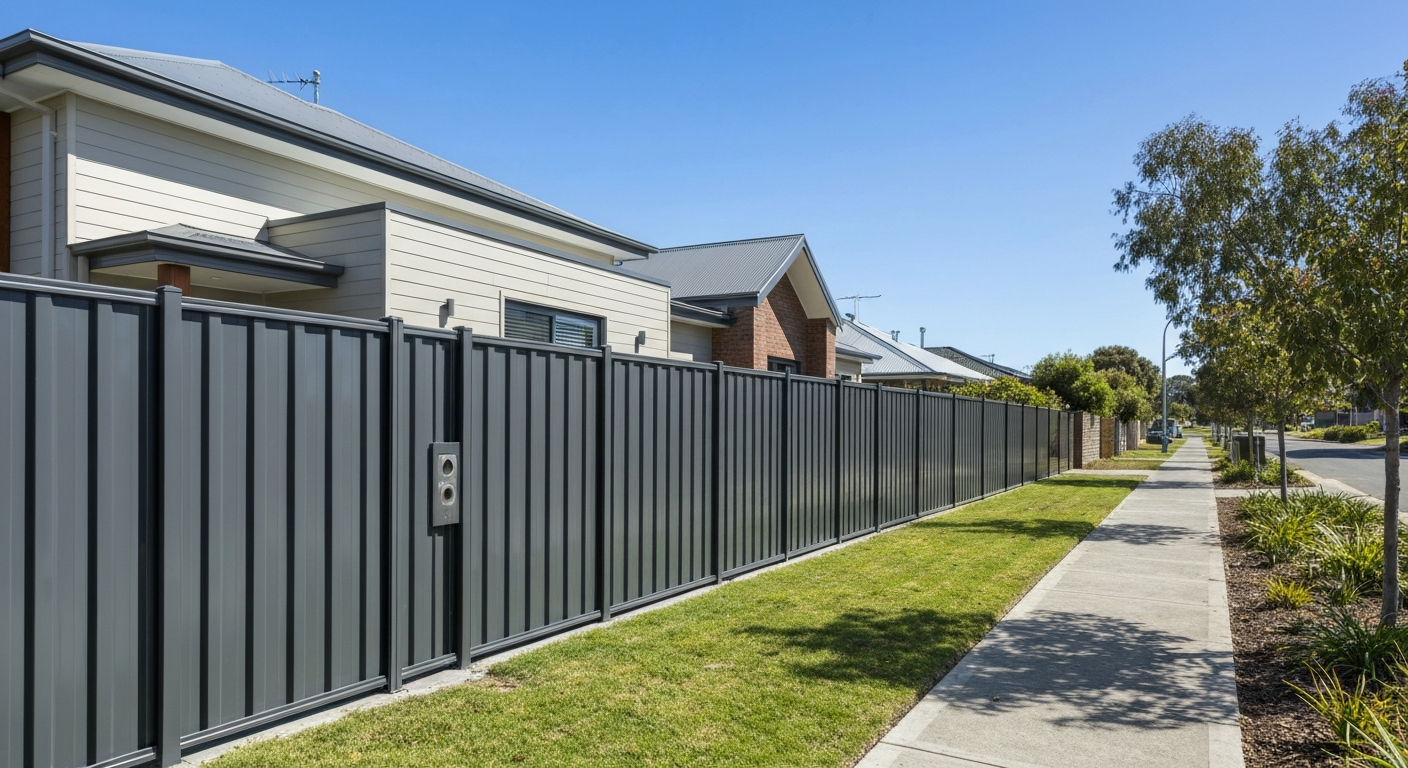
Steel upkeep frequently resembles examinations and cleaning. If the fence has a covering, maintaining it devoid of consistent particles and resolving scratches rapidly can make a big difference. If corrosion begins at a specific spot, that localised repair can avoid it from spreading out. A fence installer or fence contractor can often recommend on touch-up approaches for little damage, depending upon the finish system used.
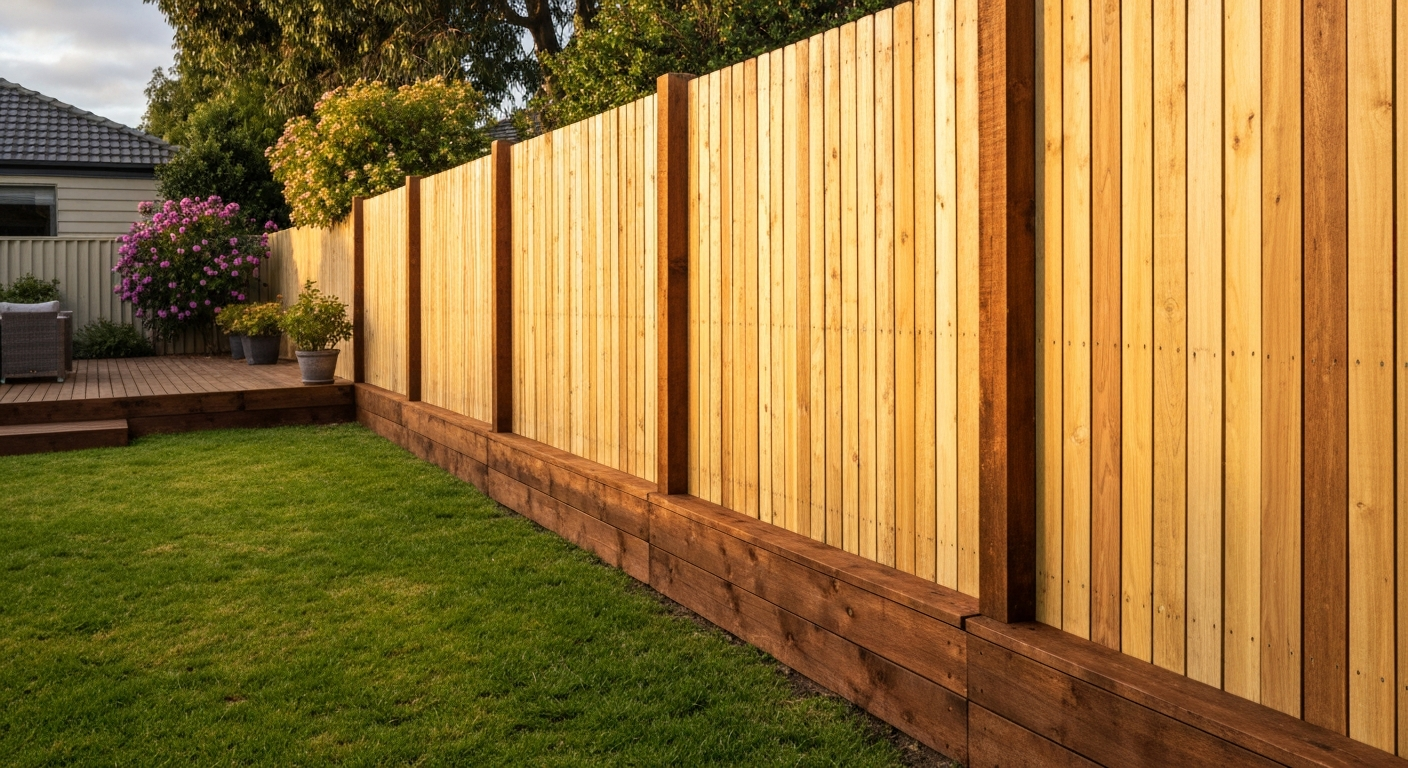
Timber maintenance usually resembles regular cleaning, staining or painting, and replacing elements as they age. Even treated wood can need re-coating to minimize surface area breakdown. Boards might break, bolts might loosen, and panels near high-wet locations may need targeted replacement sooner than the rest of the fence.
The maintenance compromise that surprises people
Many people presume steel is "maintenance free." Actually, steel desires interest as well, simply much less regular and typically more localised. Wood, on the other hand, has a tendency to need a cycle of conservation. If you're the kind of proprietor that delights in occasional maintenance, hardwood can be a great fit. If you want less jobs, steel typically wins.
That said, if you're comparing a timber fencing that's mounted with outstanding ground clearance and layered effectively from day one, the distinction shrinks. An inadequate lumber set up can get rid of the product benefit quickly.
Installation high quality: the longevity multiplier
When I talk with fencing contractors, they all have favourite examples of tasks where "the item was great" but the installment made it stop working early. Durability is greatly driven by setup information. Right here are one of the most crucial ones I see shown up again and again.
Post setting and ground contact
Timber blog posts that sit as well near to the dirt or allow continuous splashback become trouble magnets. Steel messages that are established with the wrong base detail can develop wetness retention zones also, also without rot.
A fence company Melbourne might have typical neighborhood techniques, yet the proper method depends upon your site, water drainage, and just how the fencing line acts when it rainfalls. One neighbor gets stable drying, one more obtains a damp passage, and the very same fencing design can do differently.
Rails, bracing, and stiffness
A fencing must stand up to wind and impacts without excessive movement. Movement loosens up bolts, and loose equipment speeds up wear in both materials. Steel systems generally make use of rails and ports that can handle tons well if properly lined up. Timber fencings can be very solid as well, yet the bracing and rail arrangement have to match the period length and the post spacing.
If a fencing sways under wind loading, hardwood boards function backward and forward and coverings wear quicker. Steel joints can likewise loosen up if the link design and tightening up are inconsistent.
Fixings: the "small components" that determine everything
Fasteners and adapters make a decision deterioration habits and board splitting risk. Steel screws need to match the timber kind and should be corrosion resistant enough for outside usage. If bolts corrode, they leak corrosion discoloration, and they shed holding power.
Even the best fence contractor can be threatened by inaccurate fixings if they're replaced without taking into consideration the environment.
Real-world edge cases that flip the decision
Sometimes the "wrong" product isn't wrong in all, it's simply the wrong circumstance. Right here are a couple of edge situations where I would certainly change the recommendation.
Coastal and salted air exposure
If you're close to the ocean, steel may still be a fantastic option, but deterioration protection becomes a bigger offer. The layer system needs to be ideal, and you may need more regular evaluation and touch-ups. Hardwood will not rot from salt straight, however the combined results of dampness, exposure, and maintenance frequency can lower its visual and structural life-span if you do not maintain it.
High irrigation and constant splashback
If sprinklers or irrigation repeatedly wet the fencing line, wood at the bottom becomes at risk. Steel can manage moisture better, yet splashback can still damage coverings where water sits. Either way, the remedy commonly consists of changing irrigation, adding a tiny clearance, and using details that Visit this page allow drying.
Pets, children, and repeated impacts
If the fencing obtains hit commonly, material toughness and stiffness issue. Steel often tends to stand up well to influences since it does not weaken from rot. Wood can likewise deal with influences, however repeated hits can crack boards and loosen rails. In these instances, steel commonly really feels more sturdy day to day.
Gates and heavy-use sections
Gates are where both materials can struggle. Wood gates can sag if the hinge side presses or the structure bends. Steel gateways are strong, yet rust at joints and scratches is where issues begin. If you desire a fencing that stays practical, eviction detail and hardware choice issue more than the fencing product label.
A fast, sensible comparison you can use
Instead of treating this like a debate, treat it like a choice based on just how you'll cope with the fence and just how you'll preserve it. Here's the kind of contrast I 'd review with a client throughout a site visit.
What to try to find if you select steel
Steel is typically chosen for low rot danger and lasting structural stability. To keep it resilient, focus on finishing integrity, water drainage, and connection outlining. If you're paying for higher quality steel systems, you're paying for much better finishing procedures and far better detailing around weak spots like cut sides and fixings.
What to try to find if you select timber
Timber is normally selected for warmth, personal privacy, and appearance. To keep it sturdy, you need a hardwood that suits your direct exposure, plus setup information that avoid extended ground call. You additionally need to plan upkeep, because also the most effective lumber will at some point reveal wear without re-coating.
If you work with fence contractors who describe these points plainly, it generally suggests they have actually seen the failure patterns too.
Service-life reasoning by budget type
I have actually noticed 2 distinctive homeowner mindsets.
Some people desire the least expensive fencing that still looks acceptable for now, then they'll "take care of it later on." Timber can fit this technique if you're straightforward about upkeep and component replacement. But if you're really hoping not to touch it for several years, wood can end up being a frustration when boards begin to warp or bolts loosen.
Other people intend to invest more as soon as to minimize problem later on. Steel often fits this technique, specifically when a fence company Melbourne supplies clear item info, practical installment practices, and assistance for examinations and repairs.
There's no moral victory below. The very best resilience choice is the one that matches your upkeep practices and your resistance for routine work.
How to prolong the life of either fence (what matters most)
If you do one thing for sturdiness, make it positive care instead of responsive repairs. Capturing small problems early is almost always less costly than allowing deterioration or rot progress.
Here are the most useful examination and upkeep checks I advise, whether you hire fencing contractors or take care of minor maintenance yourself.
Walk the fencing line after wet climate and try to find very early discoloration, loosened boards, or fasteners that have actually lifted. Check the lower 200 to 300 millimetres for hardwood wetting, merging, or soft spots. For steel, evaluate cut factors, joints, and any damaged areas for very early finishing breakdown. Make sure gates are square and joints are safe and secure, due to the fact that gateway loads loosen up everything they touch. Remove debris that remains entraped behind or under the fence, specifically after storms.
This isn't an extravagant list, however it's exactly what divides "fence that looks tired at year 3" from "fencing that still impresses at year 10."
Cost vs longevity: the compromise isn't just the fencing material
People ask me concerning cost, naturally. But the genuine expense question is lifecycle price, including repair work, upkeep, and the chance you change an area earlier than planned.
Steel fencings often have higher ahead of time product and installment expenses, specifically if you pick higher quality covering systems or thicker participants. However the repairs are often neighborhood and much less linked to rot. If a panel gets harmed, you may change just that portion instead of handling concealed timber degeneration throughout an area.
Timber fences usually have reduced ahead of time prices, and they can be updated later on by re-staining or cladding sections. Nonetheless, if you're comparing "same appearance" and "very same structural rigidity" gradually, lumber often calls for even more constant attention. That attention has worth too, but it's time and often repeating labour or product costs.
If you're hiring a fence installer or a fence company, ask about just how they handle service warranties and what upkeep they expect you to do. An excellent service provider won't conceal behind vague promises.
Which alternative fits which homeowner?
Durability isn't one-size-fits-all. Steel can be optimal if you desire long-lasting stability with much less routine upkeep, and if you're comfortable with periodic inspections and touch-ups. Timber can be excellent if you enjoy the look and you agree to maintain surfaces, replace little parts, and watch on the ground line.
If you remain in the center, hybrid reasoning assists. Some buildings use steel blog posts with lumber panels, or steel rails with wood boards. That approach can minimize rot threat at the blog post level while maintaining the hardwood appearance where you desire it most. Any kind of hybrid style still requires right detailing at the timber-steel interface and the fasteners used.
Questions to ask prior to you commit
If you're talking with fencing contractors, it deserves asking a few targeted inquiries. The solutions usually reveal whether the professional has real-world sturdiness experience.
Consider inquiring about exactly how they set blog posts in your dirt kind, what bolts they utilize, and exactly how they take care of joints where water often tends to gather. If you're looking at a fencing contractor Melbourne business, ask just how they make up local weather patterns and what maintenance advice they offer after installation.
A sturdy fencing is a system, not a product. Contractors that comprehend that will discuss information, not simply worldly names.
The base line
Steel and wood can both be long lasting, yet they make that toughness in a different way. Steel has a tendency to last longer in between major upkeep jobs due to the fact that it does not rot, yet it requires coating defense and practical detailing so moisture does not sit where it can wear away steel. Timber can look amazing for many years and still perform well, but it normally requires more maintenance, specifically to take care of the ground line, finish failure, and board movement.
If you desire the best sturdiness wager with the least persisting work, steel usually slips by. If you want a softer appearance and you're ready for a maintenance rhythm, hardwood can provide genuine long life and charm.
Either method, the "winner" is commonly the contractor's setup top quality. A cautious fence installer, an educated fence company, and experienced fencing contractors can make the distinction between a fence that endures the weather condition and a fence that maintains its form, stamina, and personal privacy for the lengthy haul.